Exploring the Rhythm of Mount Kenya: A Dive into Traditional Dances
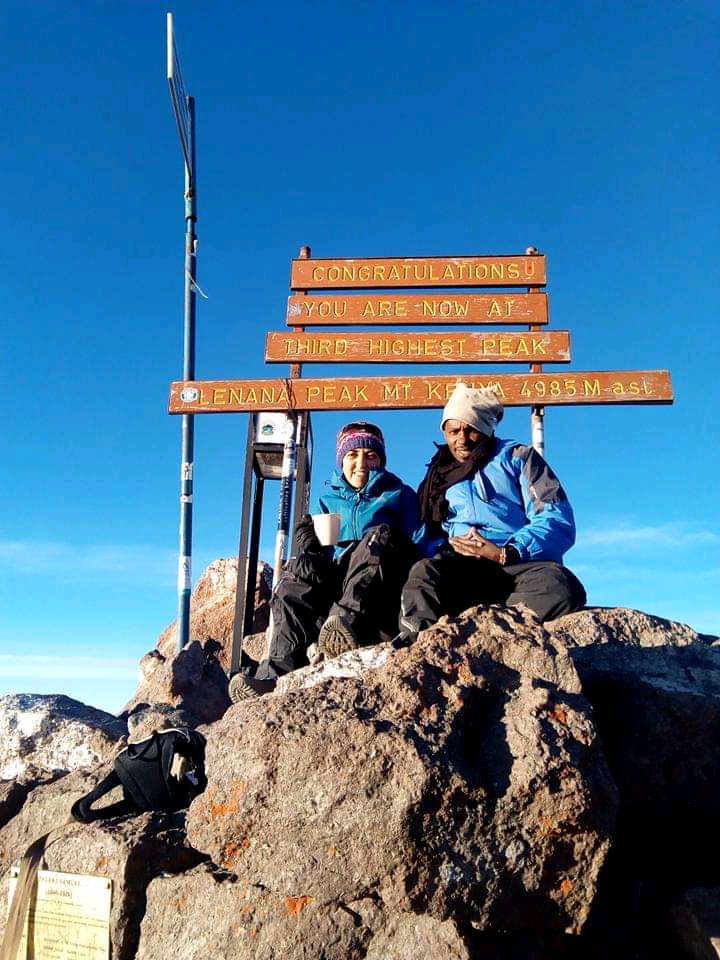
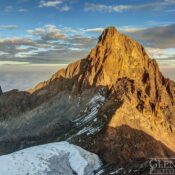
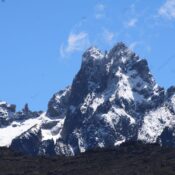
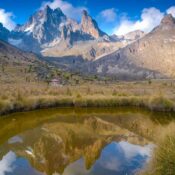
Mount Kenya, standing majestically at 5,199 meters, is not only an extraordinary natural landmark but also a living repository of Kenya’s cultural heritage. For centuries, the slopes, valleys, and surrounding regions have nurtured communities whose traditions continue to thrive today. Among these traditions, the traditional dances hold a special place—they are more than entertainment; they are a vibrant reflection of identity, spirituality, and social cohesion.
The Power of Movement and Storytelling
Traditional dances of Mount Kenya serve as a medium for storytelling. Each movement, gesture, and step carries centuries of history, passed down through generations. The Isukuti dance, performed by the Luhya community, is a perfect example. Its powerful drumbeats, synchronized footwork, and energetic motions are a celebration of community solidarity and joy. This dance is often performed during festivals, ceremonies, and important social events, reinforcing the bonds within the community.
The Mugithi dance of the Kikuyu people is characterized by rapid footwork, dynamic body movements, and rhythmic pacing, creating an electrifying atmosphere. It is performed during celebrations and communal gatherings, showcasing strength, agility, and unity.
Meanwhile, the Ambee dance of the Embu people demonstrates grace and precision, with dancers executing swift, flowing movements synchronized with clapping and percussion. This dance often symbolizes fertility, abundance, and harmony with nature, connecting the dancers to the rhythms of the land itself.
Cultural Significance
Each dance is deeply embedded with meaning. Beyond mere entertainment, they convey stories of ancestral wisdom, historical victories, and communal experiences. The dances are also an educational tool, teaching younger generations about traditions, ethics, and values in a dynamic and engaging manner.
Volcano Mountain Expeditions offers the perfect way to witness these dances firsthand. With guided cultural tours, visitors can immerse themselves in the authentic rhythm of Mount Kenya, experiencing not only the dances but also the stories, customs, and history behind them. Their expertise ensures that travelers can enjoy this cultural exploration safely, comfortably, and respectfully.
Unveiling the Musical Enchantment: Timeless Instruments of Mount Kenya
The musical traditions of Mount Kenya are inseparable from its dances. Musical instruments provide the heartbeat, guiding dancers and conveying stories of the land and its people. Each instrument carries historical significance and is crafted using time-honored methods that reflect the ingenuity and artistry of local communities.
Key Traditional Instruments
-
Enanga: Often referred to as a thumb piano, the Enanga produces soothing melodic tones that evoke reflection and serenity. It is used in storytelling and ceremonial performances.
-
Nyatiti: A stringed instrument creating tranquil, flowing melodies, often accompanying songs of praise or mourning.
-
Karing’ongo Drums: Central to many dances, these drums generate powerful rhythmic pulses, driving the energy of performances and creating a communal rhythm.
-
Obokano: A lyre-like instrument carved from hollow wood and strung with animal tendons, used in ritual songs and social storytelling.
-
Ithigi Flute: A wooden flute producing soft, airy sounds, often used to accompany dances that require grace and subtlety.
-
Marimba: A percussion instrument made of wooden keys, producing vibrant melodies that add richness to dances.
The Role of Music in Dance
In Mount Kenya, music is more than sound—it is a conduit for cultural memory, spirituality, and social cohesion. Drums set the tempo, flutes create mood, and stringed instruments weave harmony. The instruments’ melodies resonate with the natural rhythms of the mountains, rivers, and forests, creating a connection between humans and the land.
Through Volcano Mountain Expeditions, travelers can observe, learn, and even participate in these musical traditions. Guided tours often include interactive sessions where visitors can try instruments, understand their crafting, and witness live performances that transport them to the heart of Mount Kenya’s cultural universe.
Preserving Cultural Heritage: Safeguarding Mount Kenya’s Dance and Music Traditions
The traditional dances and musical instruments of Mount Kenya are living heritage, integral to the identity of local communities. Preservation efforts are vital, as globalization and modernization can threaten these traditions.
Cultural Preservation Practices
-
Intergenerational Transmission: Elders teach youth the dances, songs, and instrument crafting techniques, ensuring continuity.
-
Festivals and Ceremonies: Traditional dances and music are performed at weddings, harvest festivals, initiation rituals, and cultural celebrations. These events reinforce community identity and allow visitors to witness authentic practices.
-
Tourism with Respect: Tourists are encouraged to engage respectfully, supporting local cultural initiatives and participating without disrupting sacred customs.
The Role of Travelers
Visitors play a crucial part in sustaining these traditions. By attending performances, purchasing locally made instruments, and engaging with cultural guides, tourists contribute to the survival and flourishing of these art forms.
Volcano Mountain Expeditions ensures that cultural preservation is embedded in every itinerary. Their guided trips include opportunities to experience dances, music, and rituals authentically, all while maintaining safety, respect, and cultural sensitivity.
Q&A: Experiencing Mount Kenya’s Dances and Music
Q: What are the traditional dances and musical instruments of Mount Kenya?
A: Traditional dances include Isukuti, Mugithi, Ambee, Kuringa, and Gicandi, while instruments include Enanga, Nyatiti, Karing’ongo drums, Obokano, Ithigi flute, and Marimba.
Q: Which dances are unique to specific tribes?
A: The Kuringa dance of the Ameru features wooden clappers called Korio, while the Gicandi dance of the Kikuyu uses the horn-like Njuga to enhance rhythm.
Q: How can I experience these traditions firsthand?
A: Volcano Mountain Expeditions organizes guided trips that combine climbing Mount Kenya with immersive cultural experiences, offering authentic dance and music encounters.
Q: What other attractions are nearby?
A: In addition to Mount Kenya, visitors can explore Maasai Mara, Amboseli, Tsavo, the Great Rift Valley, and Kenya’s coastal beaches for an all-rounded Kenyan adventure.
Concluding Remarks
The rhythmic pulse of Mount Kenya echoes through its lush valleys and peaks, preserving centuries of cultural heritage. From the energetic Isukuti dance to the graceful Ambee, the traditional dances embody unity, storytelling, and celebration. Accompanied by instruments like the Kuar, Orutu, and Iwacu, they create an immersive sensory experience that connects travelers to the land, history, and people.
With Volcano Mountain Expeditions, your journey goes beyond mere sightseeing. You can climb Mount Kenya, witness cultural performances, learn musical traditions, and experience the region safely and respectfully. Every step, beat, and note is an opportunity to engage with Kenya’s living heritage.
Why read about it when you can experience it firsthand? Trust Volcano Mountain Expeditions to guide you on a transformative adventure through Mount Kenya’s breathtaking landscapes and vibrant culture.
📩 Contact Volcano Mountain Expeditions today and embark on the journey of a lifetime, exploring Mount Kenya’s dances, instruments, and cultural wonders.