Nestled in the southwestern region of Kenya, straddling the border between Narok and Kajiado counties, the Loita Hills stand as one of East Africa’s best-kept secrets. This enchanting landscape of rolling hills, dense indigenous forests, and sprawling grasslands offers visitors an authentic glimpse into traditional Maasai culture while providing some of the most unspoiled natural beauty in Kenya. Far from the crowded tourist circuits, the Loita Hills represent a rare opportunity to experience Kenya as it was centuries ago—wild, mysterious, and profoundly beautiful.
The Geography and Landscape
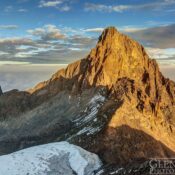
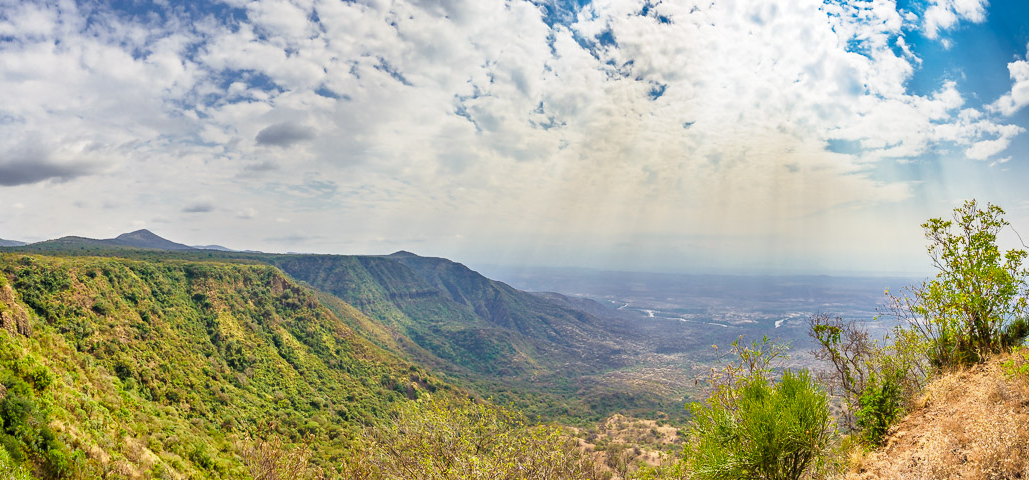
The Loita Hills rise majestically from the Great Rift Valley floor, forming a natural boundary between the Maasai Mara ecosystem and the southern rangelands. The hills themselves reach elevations of up to 2,150 meters above sea level, creating a dramatically varied terrain that ranges from dense montane forests to open grasslands dotted with distinctive flat-topped acacia trees.
What makes the Loita Hills particularly special is the Loita Forest, one of Kenya’s last remaining indigenous forests. This pristine woodland covers approximately 33,000 hectares and serves as a critical water catchment area for the region. The forest is characterized by ancient cedar trees, towering podo, and various species of wild fig trees that create a dense canopy overhead. Walking through this forest feels like stepping back in time, with the dappled sunlight filtering through leaves and the constant soundtrack of bird calls and rustling wildlife.
How To Visit Mount Kenya’s cultural heritage
The landscape transforms as you move from the forest to the surrounding hills, where golden grasslands stretch toward distant horizons. During the rainy season, these grasslands burst into vibrant green, dotted with colorful wildflowers that attract countless butterflies and other pollinators. The views from the hilltops are nothing short of spectacular, offering panoramic vistas that seem to extend forever across the Maasai heartland.
Cultural Significance and the Maasai Connection
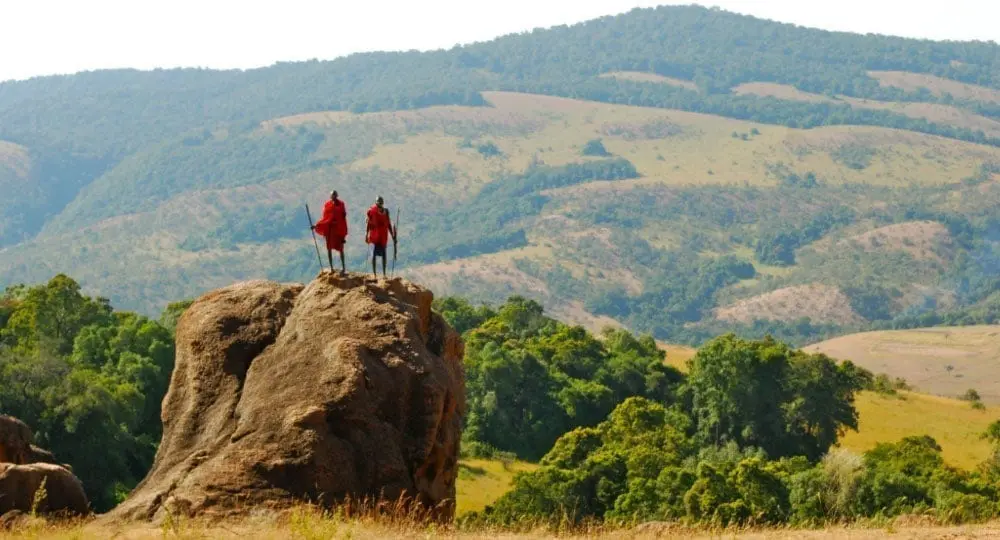
The Loita Hills are not just a geographical feature—they are the spiritual and cultural heartland of the Loita Maasai community. Unlike many Maasai groups who have adapted to modern lifestyles, the Loita Maasai have largely maintained their traditional way of life, making this region one of the few places where visitors can experience authentic Maasai culture in its purest form.
The name “Loita” itself comes from the Maa word “oltau,” meaning “forest,” reflecting the deep connection between the people and their environment. The Loita Maasai have been guardians of this forest for generations, protecting it from degradation through traditional conservation practices and cultural beliefs that consider the forest sacred. Many sites within the hills are used for important Maasai ceremonies, including initiation rites and spiritual gatherings that have been conducted in the same manner for centuries.
Visitors to the Loita Hills have the unique opportunity to interact with Maasai communities living much as their ancestors did. The manyattas (traditional Maasai homesteads) scattered across the hills offer a window into a pastoral lifestyle that revolves around cattle herding, traditional medicine, and age-old customs. The Loita Maasai are known for their warm hospitality and willingness to share their culture with respectful visitors, making cultural immersion one of the highlights of any trip to the region.
Wildlife and Biodiversity
The Loita Hills ecosystem supports an impressive array of wildlife, though it remains relatively unknown compared to the nearby Maasai Mara National Reserve. The Loita Forest is home to several endangered and rare species, including the Eastern Black and White Colobus monkey, the rare Sharpe’s grysbok, and occasional sightings of leopards that use the forest as a hunting ground.
Birdwatchers will find the Loita Hills to be a paradise, with over 200 bird species recorded in the area. The forest canopy harbors numerous forest specialists, including the Hartlaub’s turaco with its distinctive crimson wings, various species of hornbills, and the rare Ayres’s hawk-eagle. The grasslands attract different species, including secretary birds, various eagles, and during migration seasons, numerous European migrants that stop to rest in this verdant landscape.
Elephants occasionally move through the Loita Hills, following ancient migration corridors that connect the Maasai Mara to other protected areas. Buffalo, bushbuck, and various antelope species can be spotted in the forests and grasslands, while the hills are also known for their healthy population of African rock pythons and other reptiles.
How To participate in traditional dances in Mount Kenya
The flora of the Loita Hills is equally impressive. Beyond the dominant tree species in the forest, the area is home to numerous medicinal plants that the Maasai have used for generations. The traditional healers, or laibon, possess encyclopedic knowledge of these plants and their applications, knowledge that is slowly being documented by ethnobotanists to preserve it for future generations.
Activities and Experiences
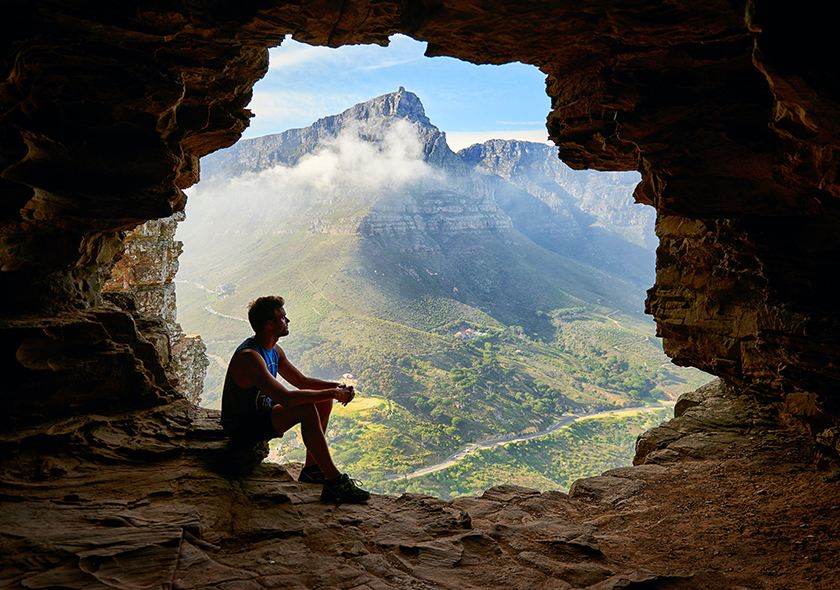
The Loita Hills offer a range of activities that cater to different interests, all centered around nature and cultural immersion. Hiking is perhaps the most popular activity, with trails ranging from gentle walks through the grasslands to challenging treks through the dense forest. Guided hikes led by local Maasai guides provide insights into the landscape, wildlife, and cultural significance of various sites along the way.
Cultural tours are an essential part of any visit to the Loita Hills. These typically include visits to traditional manyattas, where visitors can observe daily Maasai life, participate in traditional dances, and learn about customs such as beadwork, traditional dress, and the preparation of local foods. Some tours also offer the opportunity to witness or learn about traditional ceremonies, though visitors should always approach these with respect and seek proper permission.
Birdwatching expeditions can be arranged, particularly during the early morning hours when bird activity is at its peak. The combination of forest and grassland habitats means that birders can potentially spot dozens of species in a single day. Photography enthusiasts will find endless subjects, from the dramatic landscapes and golden-hour light on the grasslands to intimate portraits of Maasai people in their traditional attire and wildlife in natural settings.
For the more adventurous, camping in the Loita Hills offers an unforgettable experience. Falling asleep to the sounds of the forest and waking up to the sunrise over the hills creates memories that last a lifetime. Some community-run campsites offer basic facilities while maintaining a low environmental impact, ensuring that the wilderness character of the area remains intact.
If you need a guide or a tour company to take you on an adventure to the Loita Hills and help you experience all this remarkable region has to offer, visit https://volcanomountainexpeditions.com/ for professional, culturally-sensitive tours that support local communities.
Conservation and Community-Based Tourism
One of the most inspiring aspects of the Loita Hills is the community-based approach to conservation and tourism. The Loita Maasai have successfully resisted pressure to convert their forest into agricultural land or allow commercial logging, instead choosing to protect it as a community resource. This conservation ethic has been strengthened through community-based tourism initiatives that provide economic benefits while maintaining cultural and environmental integrity.
Tourism revenue helps fund community projects such as schools, water systems, and healthcare facilities. It also provides direct income to guides, homestay hosts, and local artisans, creating economic incentives for conservation. This model demonstrates that communities can benefit economically from preserving their natural and cultural heritage rather than exploiting it.
However, the Loita Hills face ongoing challenges. Climate change is affecting rainfall patterns, impacting both pastoral livelihoods and forest health. Human-wildlife conflict occasionally occurs when elephants raid crops or livestock. Population pressure and the temptation of quick economic gains from land conversion remain persistent threats. Sustainable tourism that respects local culture and contributes to conservation is crucial for the long-term preservation of this unique ecosystem.
Planning Your Visit
The Loita Hills are accessible by road from Nairobi, though the journey requires a four-wheel-drive vehicle, particularly during the rainy seasons when roads can become challenging. The drive takes approximately five to six hours, passing through some of Kenya’s most scenic countryside. The best time to visit is during the dry seasons (June to October and January to February) when roads are more accessible and wildlife viewing is optimal, though the hills have their own charm during the rainy season when everything is lush and green.
Accommodation options range from community-run campsites to simple guesthouses, with homestays in Maasai manyattas offering the most authentic experience. Visitors should come prepared for basic facilities but should also be ready for an experience that more than compensates for any lack of luxury through its authenticity and natural beauty.
Conclusion
The Loita Hills represent something increasingly rare in our modern world—a place where nature and traditional culture exist in harmony, largely unchanged by the forces of globalization and development. For travelers seeking authentic experiences, stunning landscapes, and the opportunity to contribute positively to community conservation efforts, the Loita Hills offer an unparalleled destination. This is Kenya’s hidden treasure, a place where the spirit of Africa still runs wild and free, waiting to be discovered by those willing to venture off the beaten path.