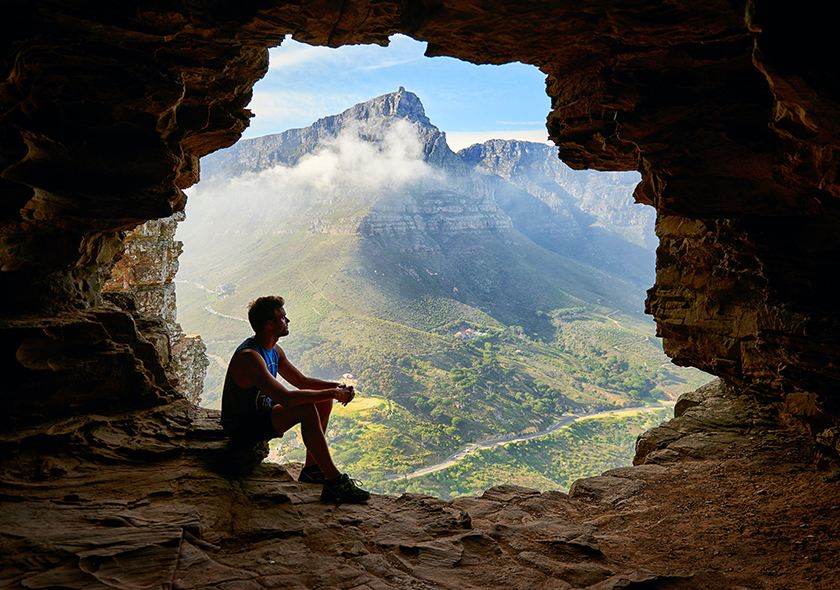

Can I climb during the rainy season in Mount Kenya?
Raindrops and Adventure: Climbing Mount Kenya in the Rain
Raindrops cascade from the heavens, painting the world in soft, silvery hues. The pitter-patter of water on leaves and rocks creates a natural symphony, a rhythm composed by the elements themselves. Amid this enchanting downpour, adventurous spirits may ask: Can one climb Mount Kenya during the rainy season?
While the mountain’s slopes glisten under the rainfall and clouds swirl around its snow-capped peaks, the answer is nuanced. With careful planning, proper gear, and expert guidance, climbing Mount Kenya during the rainy season is not only possible but can also reveal a side of the mountain seldom seen during dry months—a lush, verdant, and tranquil landscape that few experience. Volcano Mountain Expeditions stands ready to guide travelers safely through these unique conditions, ensuring an adventure that is both thrilling and secure.
The Rainy Season’s Impact on Climbing Mt Kenya: An Unpredictable Challenge for Adventurers
Mount Kenya, Africa’s second-highest peak, is awe-inspiring in any season. However, during the rainy season, the mountain transforms into a dynamic and unpredictable landscape. Heavy downpours, misty fog, and sudden weather changes pose challenges that every adventurer must consider.
Challenges Climbers Face
-
Slippery Trails and Rocks: The rainfall turns paths muddy and rocks slick, increasing the risk of slips or falls.
-
Limited Visibility: Dense fog can obscure trails and landmarks, requiring careful navigation.
-
Cold and Damp Conditions: Rain-soaked clothing and gear can lead to discomfort, fatigue, and hypothermia if not adequately prepared.
-
Rockslides and Flash Floods: Heavy rainfall can trigger sudden slides or water flow on steeper trails.
Yet, with the right precautions, these obstacles become manageable. Volcano Mountain Expeditions provides climbers with expert guidance, trained guides, and knowledge of safer routes, making rainy-season ascents achievable and memorable.
Key Precautions Include:
-
Expert guidance for navigating slippery paths and unstable rocks
-
Proper waterproof gear for climbers and equipment
-
Real-time monitoring of weather and adjusting itineraries as needed
-
Constant focus on climber safety and well-being
By respecting the mountain’s challenges and relying on expert support, climbers can experience a rainy-season adventure unlike any other.
Weather Considerations: Planning, Safety Precautions, and Ideal Routes
The rainy season in Mount Kenya typically occurs from April to June and October to December. During these months, climbers should be ready for frequent showers, mist, and sudden temperature drops.
Planning for Rainy Season Climbing
-
Route Selection: Certain trails become treacherous during heavy rain. Popular options like Sirimon Route or Naro Moru may require caution, while less steep paths may be safer.
-
Timing Your Climb: Avoid starting treks during heavy downpours. Early morning departures often coincide with clearer skies.
-
Group Size and Guide Ratio: Smaller groups are easier to manage and safer during slippery conditions. Guides ensure climbers avoid hazards.
-
Flexible Itinerary: Be prepared to adjust plans based on weather forecasts or unexpected rainstorms.
Volcano Mountain Expeditions specializes in tailored climbs, combining safety, route planning, and weather monitoring to ensure climbers have a secure and enjoyable journey, even in wet conditions.
Expert Recommendations: Gear, Guides, and Tips for Rainy-Season Climbing
To conquer Mount Kenya safely during the rainy season, preparation is key. Here are essential recommendations from climbing experts:
1. Quality Climbing Gear
-
Waterproof Clothing: Lightweight, breathable, and fully waterproof jackets and pants.
-
Sturdy Hiking Boots: Non-slip soles for wet and muddy terrain.
-
Backpack Rain Cover & Dry Bags: Protect your gear from water damage.
-
Trekking Poles: Provide extra stability on slippery trails.
-
Waterproof Cases for Electronics: Cameras and phones require protection from sudden downpours.
2. Experienced Guides
-
Guides familiar with rainy-season challenges know which trails are safer and how to navigate the mountain in poor visibility.
-
Volcano Mountain Expeditions offers guides with extensive knowledge of Mount Kenya’s weather patterns, ensuring climbers have real-time advice and a safer ascent.
3. Health and Safety Precautions
-
Stay hydrated, even in cooler conditions.
-
Keep warm using layers, hats, and gloves.
-
Regularly check weather forecasts before and during the climb.
4. Climbing Tips
-
Pace yourself, especially on slippery trails.
-
Maintain clear communication with your guide.
-
Avoid risky shortcuts or unstable rock formations.
With these precautions, a rainy-season climb becomes not just possible, but a truly unique and rewarding adventure.
Exploring Alternative Experiences: Rainy-Season Treks and Wildlife Encounters
While climbing to the summit during the rainy season can be challenging, Mount Kenya also offers alternative experiences for adventurers and nature lovers.
1. Lush Flora and Vibrant Landscapes
-
The rainy season transforms Mount Kenya into a verdant paradise.
-
Blooming wildflowers and fresh vegetation create photography and nature exploration opportunities.
2. Wildlife Encounters
-
Forest elephants, buffaloes, and exotic bird species become more active in lush landscapes.
-
Guided treks allow visitors to observe wildlife in their natural environment, with fewer crowds than peak seasons.
3. Waterfalls and Rivers
-
Rainfall enhances waterfalls and streams, adding dramatic beauty to every trek.
-
Seasonal rivers become vibrant, offering serene sounds and photo opportunities.
4. Serene Trails
-
Trails are less crowded, allowing for peaceful immersion in nature.
-
Adventurers can enjoy the sounds of rain, birdsong, and rustling foliage, making it a meditative experience.
Volcano Mountain Expeditions ensures that all aspects of a rainy-season adventure—from trekking to wildlife viewing—are safe, guided, and memorable.
Q&A: Climbing Mount Kenya in the Rain
Q: Can I climb Mount Kenya during the rainy season?
A: Yes, with proper preparation, guidance, and waterproof gear, a rainy-season climb is possible and can be uniquely rewarding.
Q: Is it safe?
A: Absolutely. Experienced guides, like those from Volcano Mountain Expeditions, can help navigate slippery trails and minimize risks.
Q: What challenges should I expect?
A: Slippery and muddy trails, limited visibility, cold conditions, and occasional rockslides.
Q: What gear is essential?
A: Waterproof clothing, sturdy boots, trekking poles, rain covers, dry bags, and waterproof cases for electronics.
Q: Are there advantages to climbing in the rainy season?
A: Yes! Fewer crowds, lush landscapes, active wildlife, and spectacular waterfalls.
Q: Can Volcano Mountain Expeditions organize multi-attraction trips?
A: Yes! Climbers can combine their Mount Kenya adventure with safaris, coastal visits, and cultural tours in Kenya.
Q: Are tours conducted in English?
A: Yes. All guides are fluent in English, ensuring seamless communication.
The Way Forward
Climbing Mount Kenya during the rainy season is not for the faint-hearted, but with careful preparation and guidance, it offers extraordinary and unforgettable experiences. The rain enhances the mountain’s beauty, creating lush valleys, vibrant wildlife, and waterfalls that are rarely seen during dry months.
With Volcano Mountain Expeditions, travelers can embrace the adventure without worry. Their expertise ensures safety, comfort, and a meticulously planned journey, allowing climbers to focus on the awe-inspiring beauty of Mount Kenya.
So, let the rain be your companion, not your deterrent. Reach out to Volcano Mountain Expeditions today and embark on a thrilling, safe, and enriching adventure atop Mount Kenya, even in the heart of the rainy season.

All Categories
Recent Posts
Explore the Vibrant Cultural Heritage of Mount Kenya

Can I participate in traditional dances in Mount Kenya?
Tags