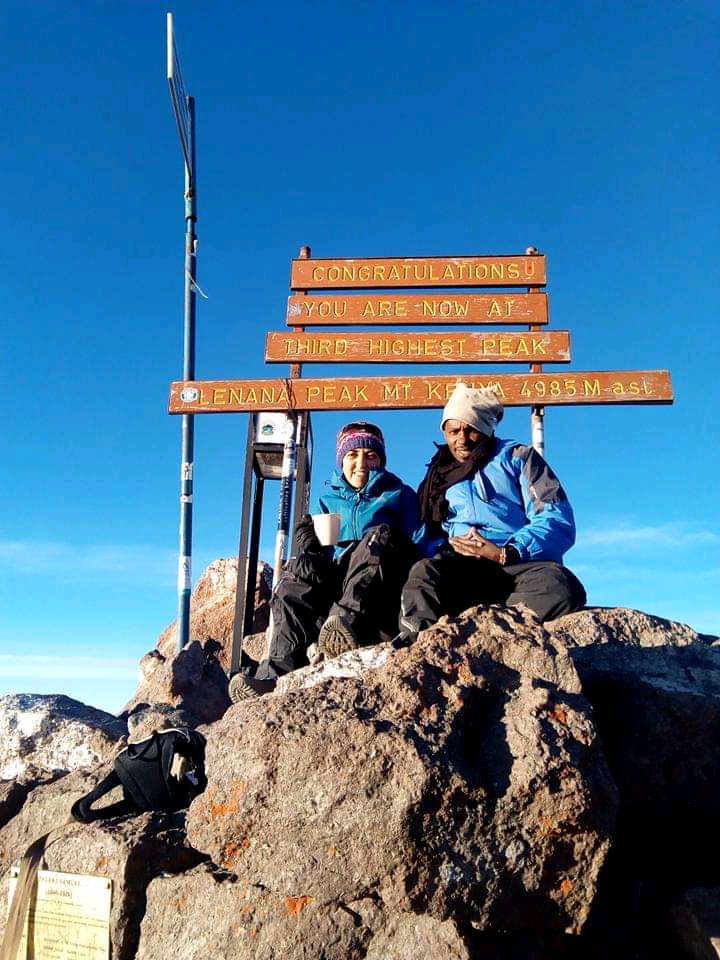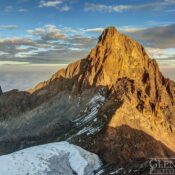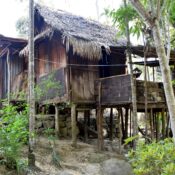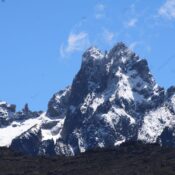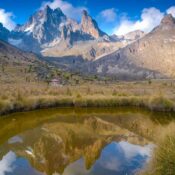
Nestled amidst the majestic peaks of Mount Kenya lies a rich treasure trove of linguistic diversity. The local communities of this awe-inspiring region speak a variety of languages, each echoing centuries of history, culture, and tradition. From ancient dialects to contemporary tongues, these languages weave a vibrant tapestry that reflects the heritage and identity of the people who call Mount Kenya home.
Join us as we explore the melodic echoes of the Kikuyu, Meru, Embu, Maasai, and other communities, uncovering how language connects culture, community, and history in this iconic African landscape.
Languages Spoken by Local Communities in Mount Kenya: A Cultural Tapestry
Mount Kenya is a hub of cultural and linguistic diversity. The region is home to several ethnic groups, each with its own language:
-
Kikuyu (Gĩkũyũ): The most widely spoken language in the region, known for its melodic tones and rich oral traditions.
-
Embu: Spoken by the Embu people, this Bantu language shares similarities with Kikuyu but has distinct phonetics and expressions.
-
Meru: Characterized by melodic intonations, the Meru language carries a rich heritage of proverbs and folklore.
-
Maasai: Spoken by the Maasai communities near Mount Kenya, this Nilotic language has a unique rhythm and cultural significance.
-
Kalenjin and Somali: Other languages in the region add further depth, representing the multicultural presence of communities in and around Mount Kenya.
Each language is more than just communication—it is a living record of history, tradition, and identity, offering visitors a window into the vibrant cultural mosaic of the mountain.
Preserving Indigenous Languages: A Call for Recognition
Indigenous languages in Mount Kenya are invaluable cultural assets. They carry centuries of folklore, wisdom, and collective memory. Preserving these languages is critical for maintaining cultural integrity and passing traditions to future generations.
Supporting initiatives that document, teach, and celebrate these languages helps keep local heritage alive while empowering communities to take pride in their linguistic identity.
Promoting Linguistic Diversity: Strategies for Conservation
Mount Kenya’s linguistic diversity reflects centuries of history and migration. Strategies to support and conserve this diversity include:
-
Cultural education: Teaching indigenous languages in schools and communities.
-
Community programs: Encouraging storytelling, music, and art in native languages.
-
Tourism integration: Creating immersive cultural experiences for visitors to engage with local languages.
Volcano Mountain Expeditions helps travelers experience this diversity firsthand, offering cultural immersion alongside hiking and exploration adventures.
Empowering Communities Through Language and Culture
Swahili, Kenya’s national language, and English, widely used in education and official settings, complement the local languages. Together, they create a multilingual environment that facilitates interaction, cultural exchange, and unity among communities.
Tourists exploring Mount Kenya can gain a deeper understanding of local life by engaging with indigenous languages. Listening to Kikuyu, Meru, or Maasai being spoken provides insight into storytelling, traditions, and daily life, making every visit an enriching experience.
How Volcano Mountain Expeditions Enhances Your Linguistic Journey
Volcano Mountain Expeditions specializes in African adventures, offering travelers not only breathtaking treks but also cultural immersion:
-
Expert Guides: Fluent in English and local languages, facilitating communication and deeper engagement.
-
Tailored Itineraries: Combining trekking, wildlife encounters, and cultural exploration.
-
Safety and Comfort: Ensuring a worry-free journey through expert planning and support.
-
Cultural Experiences: Opportunities to interact with local communities, learning their languages, traditions, and way of life.
With Volcano Mountain Expeditions, your journey up Mount Kenya becomes both an adventure and a cultural exploration.
FAQs: Languages of Mount Kenya
Q: What languages are spoken in Mount Kenya?
A: Kikuyu, Embu, Meru, Maasai, Kalenjin, Somali, Swahili, and English are commonly spoken, each reflecting unique cultural identities.
Q: Why is Kikuyu important?
A: Kikuyu is the largest local language in Mount Kenya. It preserves traditions, oral history, and community identity.
Q: How can travelers engage with local languages?
A: By interacting with local communities, participating in cultural events, and using the guidance of companies like Volcano Mountain Expeditions for immersive experiences.
Q: Are there programs to preserve these languages?
A: Yes, community initiatives and educational programs promote language conservation and cultural heritage preservation.
Conclusion
The local communities of Mount Kenya offer a symphony of languages that echo through its breathtaking landscapes. From the Kikuyu and Meru to Maasai and Embu, every language tells a story of heritage, tradition, and identity.
Volcano Mountain Expeditions ensures that your visit to Mount Kenya is not only a trekking adventure but also a culturally enriching journey. Their expert guides, tailored itineraries, and commitment to safety and cultural sensitivity allow you to experience the full richness of Mount Kenya, from its peaks to its people.
Embark on a journey with Volcano Mountain Expeditions, and immerse yourself in the linguistic and cultural splendor of Mount Kenya for an unforgettable African adventure.